 +86 13717134343


“Rugged” is the most abused word in field hardware. For ruggedized tablets for field work, durability is not one spec — it is five failure modes, each with its own evidence. Demand all five.
Failure Mode 1: Drops and Impact
MIL-STD-810H Method 516 covers drops — but ask the height and surface (1.2 m onto plywood vs 1.8 m onto concrete are different products). Corner-impact reinforcement matters more than case thickness.
Failure Mode 2: Ingress
IP65 handles dust and rain; IP66 handles jets and storm exposure; IP67 handles drops into water. Field professionals should match the second digit to their actual weather, not aspirational diving.
Failure Mode 3: Thermal Swings
Cold kills batteries’ ability to deliver current; heat kills panels and adhesives. Genuine field tablets publish −20°C operation and 60°C storage — and demonstrate cold starts, not just ratings.
Failure Mode 4: Vibration and Fatigue
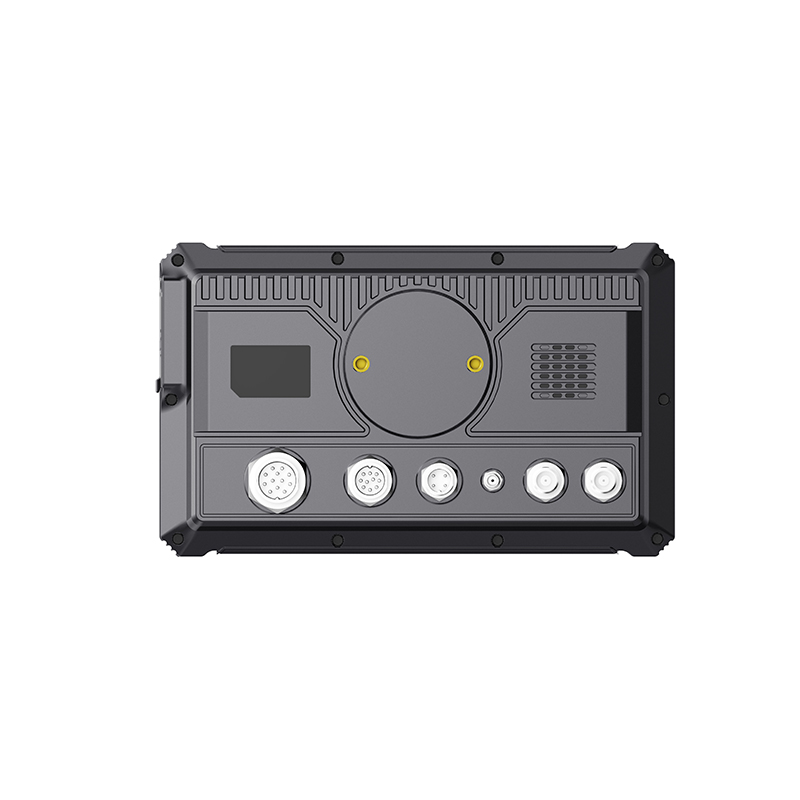
Vehicle-mounted units face continuous vibration: solder joints and connectors fail before screens do. Conformal coating and locked connectors separate two-year survivors from five-year ones.
Failure Mode 5: Battery Cycles
Field work charges daily and fast. Ask for cycle-life data (800+ cycles to 80%) and hot-swap availability — the difference between a shift and an afternoon.
The Evidence Standard
Insist on batch test reports, not datasheet claims. PDS Technology publishes test methods for its ruggedized tablets and supports field trials — because durability claims deserve the same scrutiny as price negotiations.
Buy against the five failure modes, test in your terrain, and the tablet will outlast the project it was bought for.